
If you’ve generated an image, written a paragraph with an AI assistant, or edited a video with an AI tool recently, there’s a good chance it now carries something you can’t see: a watermark. Not the old-school kind stamped across a photo, but an invisible signal baked into the content itself. This is the biggest AI watermark update of 2026, and it’s already reshaping how text, images, video, audio, and code get created, shared, and trusted online.
This isn’t a small technical footnote. It’s a legal requirement now, and it’s changing what “AI-generated” even means from a compliance standpoint. Let’s break down what actually happened, how the law works, what it means for everyday creators, and where the whole system still falls short.
What’s Actually New in the 2026 AI Watermark Update
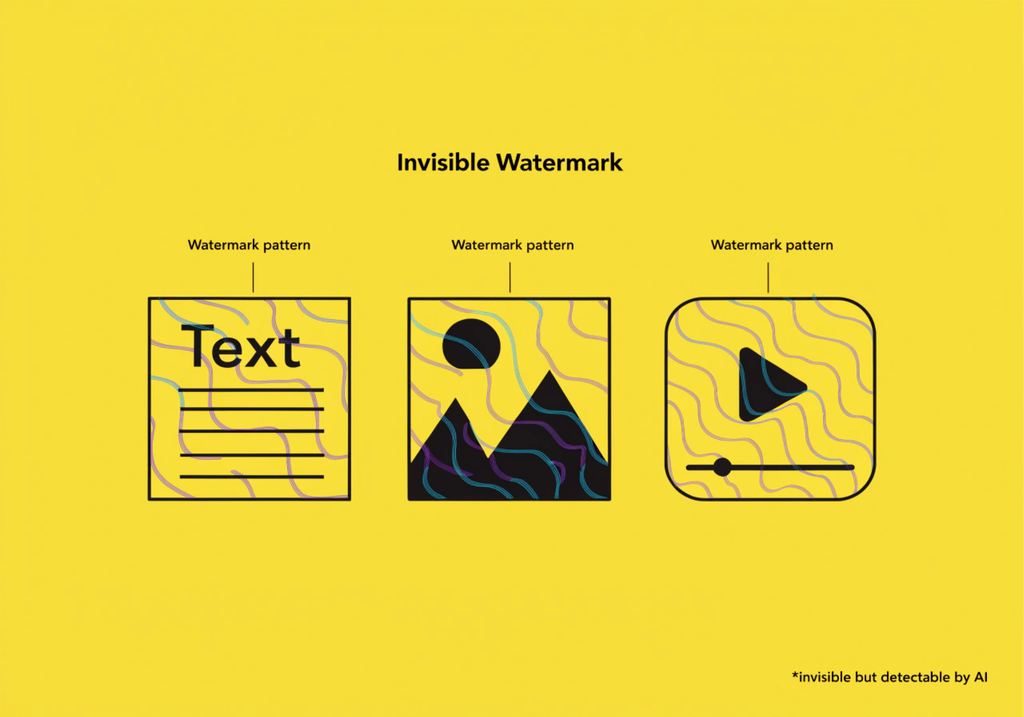
The short version: as of August 2, 2026, companies building generative AI tools are legally required to mark their output in a way that machines can detect. This obligation comes from the European Union, but because most major AI companies operate globally, the effects are showing up everywhere, not just in Europe.
Roughly 190 organizations — including Anthropic, Google, Meta, Microsoft, and OpenAI — signed onto a voluntary framework called the Code of Practice on Transparency of AI-Generated Content ahead of the deadline. Signing gives these companies a “presumption of compliance,” meaning regulators treat them as meeting the law’s requirements by default.
What followed was a wave of announcements. Just over a week after the deadline, Anthropic confirmed that Claude would start embedding an invisible statistical pattern into its generated text, along with signed C2PA metadata attached to generated files — and rolled it out worldwide, not just for EU users. Google, which has been watermarking AI images since 2023, has since extended the same approach to text, audio, and video. OpenAI is taking a slightly different path, combining C2PA Content Credentials with its SynthID watermark for images and audio, while text watermarking from OpenAI is still catching up.
The Law Behind It: EU AI Act Article 50, in Plain English
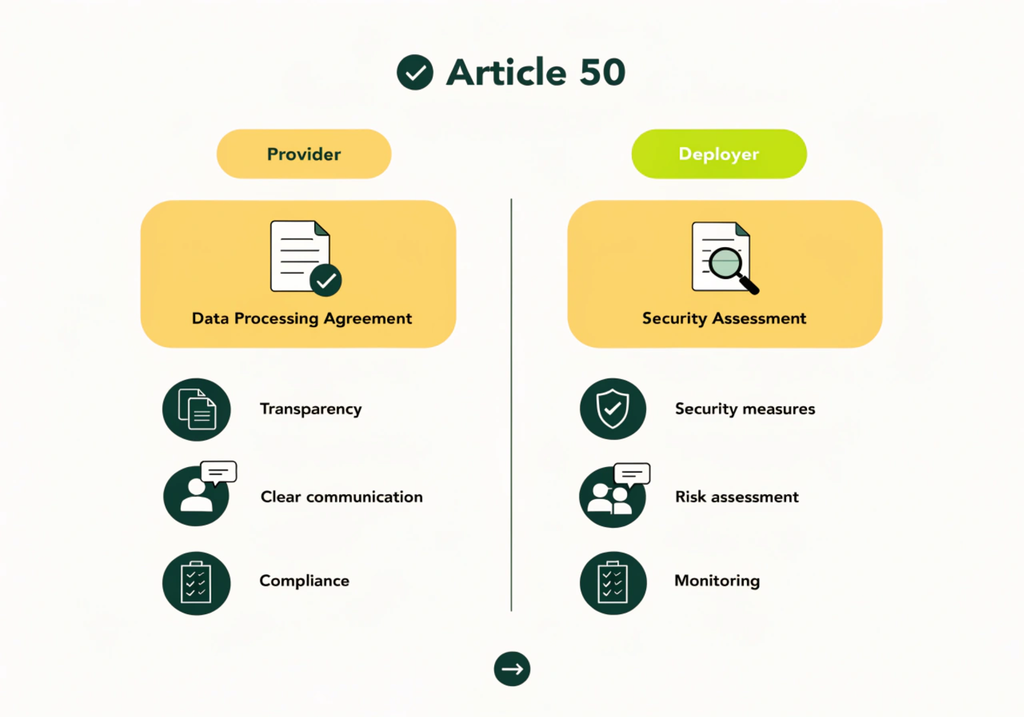
Article 50 of the EU AI Act is the specific rule driving all of this. Stripped of the legal language, it says: if your AI system generates synthetic audio, images, video, or text, you need to mark that output so it can be detected as artificially generated.
There are two separate responsibilities baked into the law:
- Providers (the companies building the AI models) have to embed machine-readable marks into what their systems generate.
- Deployers (the businesses actually publishing or distributing that content) are responsible for visible disclosure in specific situations — particularly deepfakes and AI-generated or altered text on matters of public interest.
That distinction matters a lot in practice. A company using AI to draft marketing copy has different obligations than a platform hosting a manipulated video of a public figure. Penalties for non-compliance are steep: fines of up to €15 million or 3% of global annual revenue, whichever is higher.
How AI Watermarking Actually Works
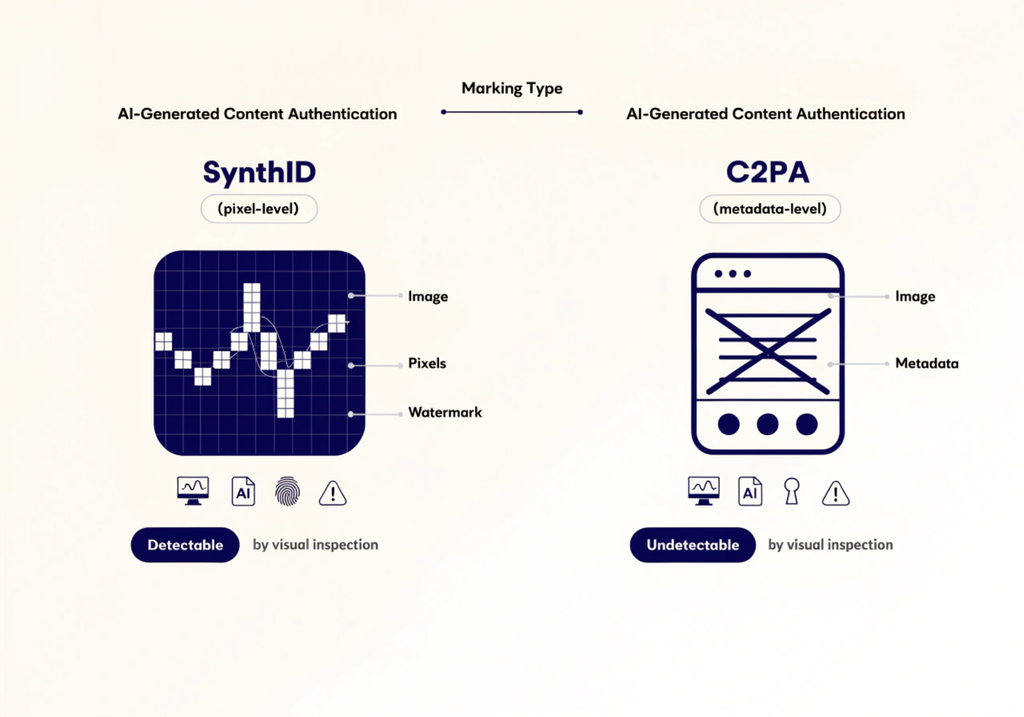
Not all watermarks work the same way, and the method changes depending on the type of content.
For text, the watermark isn’t visible at all. It’s a subtle statistical pattern in word choice, created during generation. There’s no footnote, no visible tag — just a pattern that a detection tool can pick up on later.
For images, video, and audio, the two main technologies are Google’s SynthID and C2PA Content Credentials. SynthID embeds an imperceptible signal directly into the pixels or audio waveform. Google now runs a public SynthID Detector portal that journalists and researchers can use to check images, video, and audio for its watermark. OpenAI runs a similar public verification tool that checks for both C2PA credentials and SynthID.
Code is the odd one out here. Most current regulation and watermarking research treats code as a form of text, but there’s no widely adopted, dedicated watermarking standard specifically built for AI-generated code yet.
What Changes for Everyday Creators and Users
If you use AI tools regularly, here’s what’s actually different now:
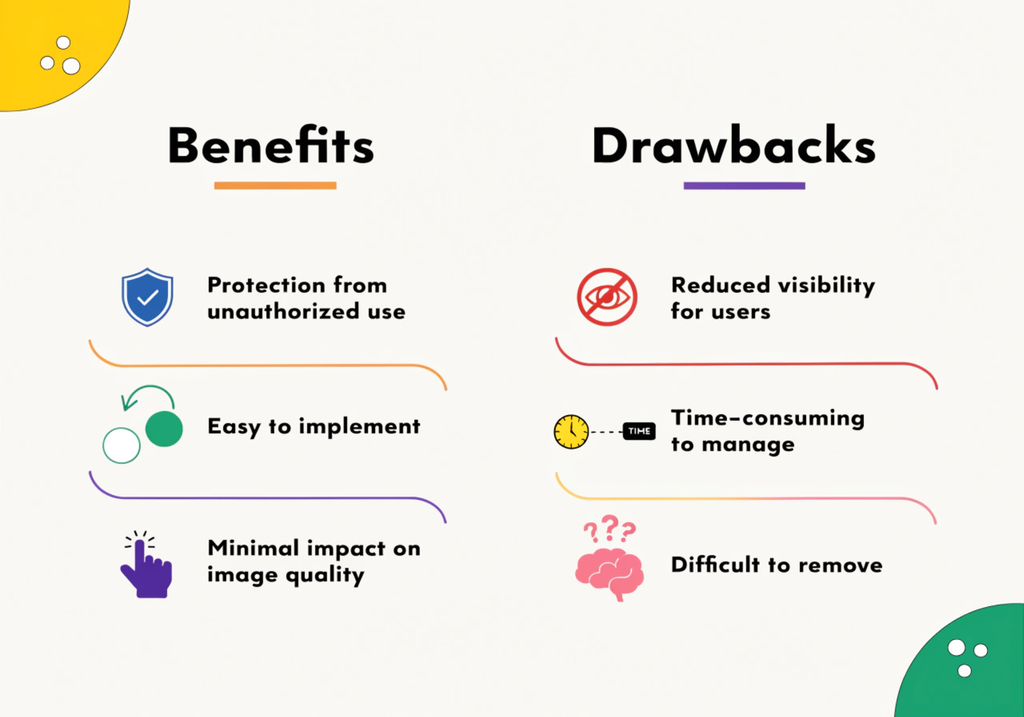
- Content you generate may carry an invisible mark you didn’t ask for and can’t turn off in many tools.
- Advertising platforms are adjusting too. Google Ads, for example, now lets advertisers flag an asset as AI-created or AI-edited, which can trigger a visible on-ad label in certain regions.
- Verification is becoming a normal step in workflows, especially for journalists, fact-checkers, and platforms trying to confirm whether a piece of content is AI-made before publishing or sharing it.
The Good: New Opportunities This Opens Up
This shift isn’t purely a compliance headache — it’s opening up real opportunities too.
The Bad: Where This Falls Short
It’s not all upside. A few real problems are already showing up.
Watermarks are easy to break. Free online tools can strip or degrade many of these marks through simple editing, cropping, or re-encoding. A watermark surviving a screenshot or a re-upload is far from guaranteed.
Coverage is inconsistent across companies. Not every provider watermarks every content type at the same pace.
What’s Coming Next
Expect this to keep evolving fast.
It’s realy happed?